Arthritis and Rheumatism Overview
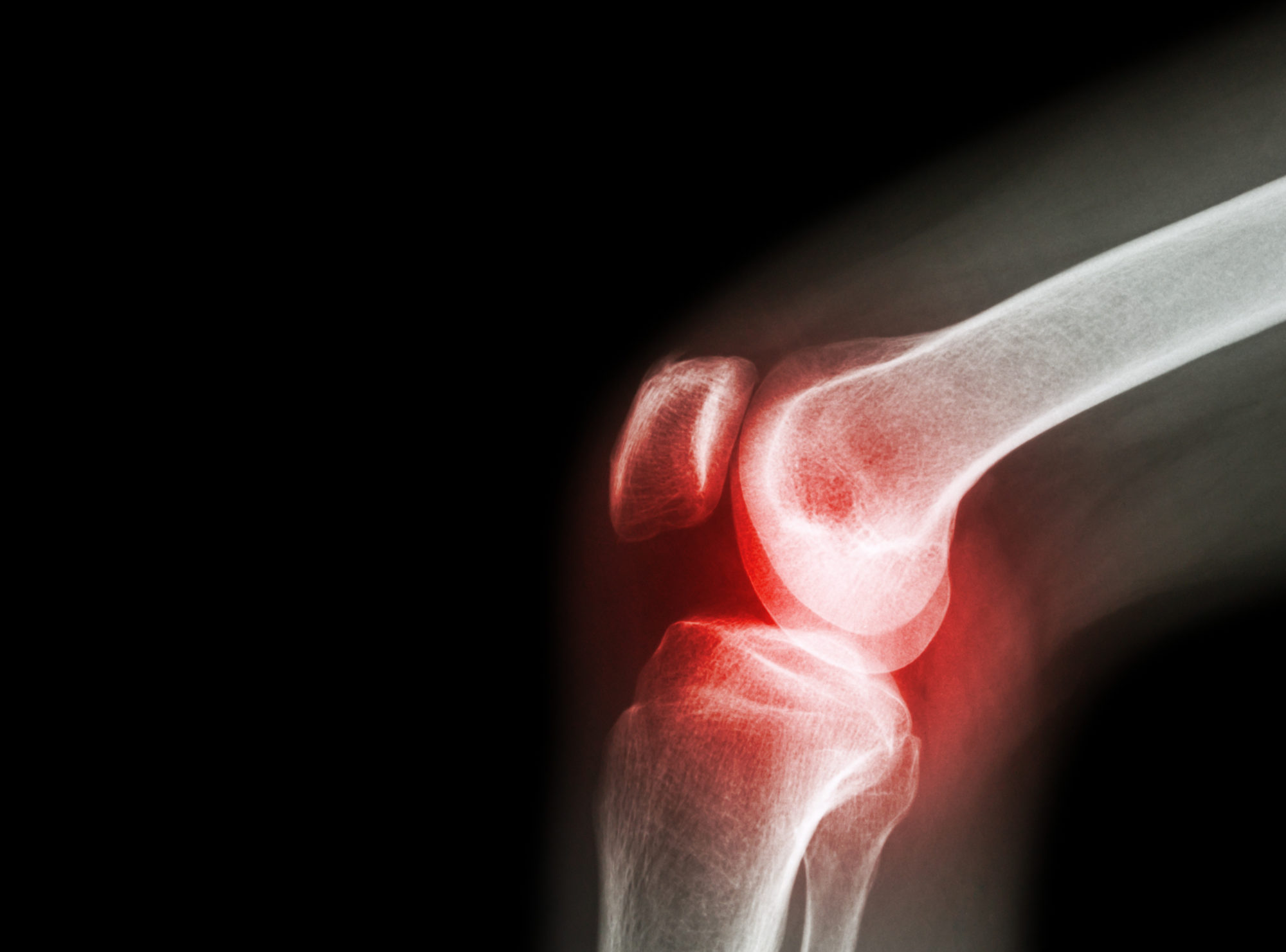
Many people start to feel pain and stiffness in their bodies over time. Sometimes their hands or knees or shoulders get sore and are hard to move and may become swollen. These people may have arthritis.
Arthritis is an inflammation of one or more joints, which causes pain and stiffness. Joints are places where two bones meet, such as your elbow or knee. Over time, in some types of arthritis, the joints involved can become severely damaged.
There are many different types of arthritis. In some diseases in which arthritis occurs, other organs, such as your eyes, your lungs, or your skin, can also be affected. Some people may worry that arthritis means they won’t be able to work or take care of their children and their family. Others think that you just have to accept things like arthritis.
It’s true that arthritis can be painful. But there are things you can do to feel better. This booklet tells you some facts about arthritis and gives you some ideas about what to do, so you can keep doing many of the things you enjoy.
What Are the Types of Arthritis?
There are many types of arthritis. The two most common types of arthritis are osteoarthritis and rheumatoid arthritis.
Osteoarthritis is the most common form of arthritis. This condition generally affects people over the age of 50 but can affect younger individuals as well. Osteoarthritis most often affects the hands, spine, knees, and hips. Sometimes osteoarthritis follows an injury to a joint. For example, you may have a severe knee injury in childhood and then develop arthritis in the knee joint as an adult.
Rheumatoid arthritis (RA) happens when the body’s own defense system doesn’t work properly. The immune system attacks healthy cells. RA often starts in small joints of the hands and feet, and may also affect internal organs and systems. You may feel sick or unusually tired, and you may have a fever.
Gout is another common type of arthritis. It is caused by crystals that build up in the joints. It usually affects the big toe, but many other joints may be affected.
Arthritis is seen with many other conditions. Some examples include:
- Lupus, in which the body’s defense system can harm the joints, the heart, the skin, the kidneys, and other organs.
- Infection that gets into a joint and destroys the cushion between the bones.
Do I Have Arthritis? Arthritis Symptoms
Pain is the way your body tells you that something is wrong. Most types of arthritis cause pain in your joints. You might have trouble moving around. Some kinds of arthritis can affect different parts of your body. So, along with pain, redness, and swelling in your joints, you may:
- have trouble moving around
- have a fever
- lose weight
- have trouble breathing
- get a rash or itch
These symptoms may also be signs of other illnesses. Your healthcare provider can perform a physical exam and order tests that can help diagnose your condition.
How is Arthritis Diagnosed?
See a healthcare provider if you have symptoms of arthritis. Your healthcare provider will perform a physical exam. During this exam, they will check your joints, looking for swelling, redness, and warmth. They will also check your joints for mobility. They may order bloodwork and tests like X-rays, CT scans, MRIs, or ultrasounds.
After the doctor knows what kind of arthritis you have, he or she will talk with you about the best way to treat it. The doctor may give you a prescription for medicine that will help with the pain, stiffness, and inflammation. Health insurance or public assistance may help you pay for the medicine, doctor visits, tests, and X-rays.
Types of Arthritis Medication
The goals of arthritis treatment include relieving symptoms and improving function. There are many medications available that can be used to help with symptoms of arthritis. Below are some examples of commonly recommended or prescribed medications. Everyone is different, so talk to your healthcare provider to see which medication would be best for you.
- Tylenol (acetaminophen) is a popular over-the-counter analgesic, or pain medication. The way it works for pain is not completely understood. It can be used to treat mild to moderate pain (and is also a fever reducer). Although it improves pain, it does not help swelling, so it may be a good choice for osteoarthritis—but is often used for other types of arthritis, too. Too much Tylenol can cause liver damage or death from liver failure, so it’s very important to follow the dosing directions, and if you take Tylenol, make sure you do not take any other medications that contain acetaminophen, such as certain cough and cold medications. If you drink alcohol, check with your doctor before taking Tylenol.
- Nonsteroidal anti-inflammatory drugs (NSAIDs) help with pain and inflammation. They work by blocking enzymes from making prostaglandins. Prostaglandins cause pain and inflammation, so by blocking prostaglandin production, these medications help with pain and inflammation. There are many NSAIDs available—both by prescription and over the counter. Examples of prescription NSAIDs include Celebrex (celecoxib) and Mobic (meloxicam). Examples of over-the-counter NSAIDs include Motrin (ibuprofen) and Aleve (naproxen), although these medications are also available by prescription in higher strengths. Voltaren (diclofenac) is a topical NSAID gel that can be applied externally for osteoarthritis pain. NSAIDs can increase the risk of heart attacks and strokes as well as bleeding, ulcers (sores), and perforations (holes) of the stomach and intestines.
- Corticosteroids are available in various formulations, such as oral (prednisone) as well as injections into a muscle, vein, or directly into a joint. The exact way they work is not understood, but they affect various inflammatory processes, relieving inflammation. They can provide quick relief, but long-term use can be associated with many complications, such as glaucoma, bone loss, weight gain, and high blood pressure.
- DMARDs are disease-modifying anti-rheumatic drugs. These types of drugs are used to slow or stop inflammation. They can be used to treat many types of arthritis. Because they affect your immune system, taking DMARDs increases your chance of getting infections. Commonly prescribed DMARDs include methotrexate, Arava (leflunomide), and Plaquenil (hydroxychloroquine).
- Biologics are a type of DMARD. They are used to treat rheumatoid arthritis and other forms of inflammatory arthritis. They are made from living sources and are more difficult to make than conventional DMARDs, so they are more costly. Depending on the drug, a biologic may be self-injected or administered through an intravenous infusion by a healthcare provider. Biologics affect the immune system, making you more likely to get an infection. Examples of biologics include TNF blockers such as Humira (adalimumab) or Enbrel (etanercept) and interleukin inhibitors such as Kineret (anakinra).
- Targeted DMARDs are a newer type of DMARDs known as small molecule DMARDs. Taken by mouth, they have more specific targets in the immune system. One type of targeted DMARD is a class of drugs called Janus kinase (JAK) inhibitors which includes drugs like Xeljanz (tofacitinib) and Rinvoq (upadacitinib). Another type is a class called phosphodiesterase 4 (PDE 4) inhibitors, which includes drugs like Otezla (apremilast), a medication that is taken by mouth for psoriatic arthritis or plaque psoriasis, and Zoryve (roflumilast), a topical cream for plaque psoriasis.
- Hyaluronic acid injections, such as Euflexxa (sodium hyaluronate), are used to treat knee osteoarthritis that has not responded to other medications. Hyaluronic acid injections cannot be administered if you have an infection in the knee or the skin around the knee.
- Opioids are very strong pain medications that can help with severe pain. However, they are controlled substances and come with a risk of abuse and dependence, as well as many side effects. In older adults, opioids may cause extreme sedation and lead to falls and fractures. Some medications, such as Percocet (oxycodone/acetaminophen), contain both an opioid and acetaminophen as a combination pill.
How Should I Use Arthritis Medicine?
Before you leave the doctor’s office, make sure you ask about the best way to take the medicine the doctor prescribes. For example, you may need to take some medicines with food or milk to ensure they don’t upset your stomach. If you drink alcohol, consult your healthcare provider as some arthritis medications should not be combined with alcohol.
What If I Still Hurt?
Sometimes you might still have pain after using your medicine. Here are some things to try:
- Use full-spectrum CBD cream on the spots that bother you.
- Quality CBD oil. We’ve rounded up a review of our favorite oils.
- Take a warm shower.
- Do some gentle stretching exercises.
- Use an ice pack on the sore area.
- Rest the sore joint.
If you still hurt after using your medicine correctly and doing one or more of these things, call your doctor. Another kind of medicine might work better for you. Some people can also benefit from surgery, such as joint replacement.
You Can Feel Better!
Arthritis can damage your joints, internal organs, and skin. There are things you can do to keep the damage from getting worse. They might also make you feel better:
- Try to keep your weight down. Excess weight can make your knees and hips hurt.
- Exercise. Moving all of your joints will help you. The doctor or nurse can show you how to move more easily. Going for a walk every day will help, too. But also take breaks—the body needs time to rest and recover.
- Take your medicines when and how you are supposed to. They can help reduce pain and stiffness.
- Try taking a warm shower in the morning. The water’s warmth will decrease morning stiffness, increasing your range of motion for the day ahead.
- Keep your doctor and lab appointments.
- Seek support groups to connect with others.
Source: Living with Arthritis – National Institute of Arthritis and Musculoskeletal and Skin Diseases
For more information:
Go to the Arthritis and Rheumatism health topic.