DASH: A Heart-Healthy Diet
 Approximately 1 in 4 adults in the United States has high blood pressure – also known as “ hypertension” – which increases the risk of heart disease. Lifestyle changes for controlling blood pressure have usually included:
- losing weight
- increasing physical activity
- reducing sodium intake
- limiting alcoholic beverages to 2 drinks a day.
Although these strategies are still recommended, is there a specific diet for lowering blood pressure?
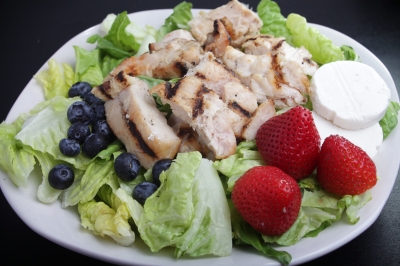
| Image courtesy of ismaellozada / FreeDigitalPhotos.net |
The DASH Study
The DASH study – for “Dietary Approaches to Stop Hypertension study“ – tested a diet, and the findings were impressive. The blood pressure of persons who followed the DASH diet decreased within days, even in persons with normal blood pressure. In those persons with high blood pressure, the decrease in blood pressure was comparable to that found with some medications.
What is the DASH diet?
The DASH diet is a healthy diet that is:
-
low in:
- total fat
- saturated fat
- cholesterol
-
high in:
- fiber
- potassium
- calcium
- magnesium
-
moderately high in:
- protein.
A follow-up study tested the DASH diet with different levels of sodium. The overall finding was that the DASH diet with a sodium restriction helps to lower blood pressure even more than the DASH diet without a sodium restriction.
How do I follow a DASH, sodium-restricted diet?
The diet is fairly easy to follow. For most, it means:
-
increasing your servings of:
- fruits
- vegetables
- low-fat dairy products
-
including:
- whole grains
- fish
- poultry
- nuts in your diet
-
reducing:
- red meat
- added fats
- sweets in your diet.
Here are some simple, practical tips for following the diet:
- Eat fruits, vegetables, & whole grains at meals and as snacks rather than high fat, high sodium foods.
-
Have 2-3 servings each day of:
- low-fat or nonfat milk
- yogurt
- cheese.
-
Limit your intake of meat to 2 servings per day.
- A serving is 3 ounces, which is the size of a deck of cards.
-
Have 4-5 servings each week of:
- nuts
- seeds
- beans.
- Limit foods that are cured – such as bacon and ham.
- Limit foods packed in brine – such as pickles or sauerkraut.
-
Limit condiments, such as:
- mustard
- catsup
- barbeque sauce.
-
Instead of salt, flavor foods with:
- herbs
- spices
- lemon
- vinegar.
For more tips, menus, and recipes, visit Your Guide to Lowering Your Blood Pressure with DASH (National Institutes of Health)
Reference:
Sacks, Frank M. Rationale and design of the Dietary Approaches to Stop Hypertension trial (DASH): A multicenter controlled-feeding study of dietary patterns to lower blood pressure. Annals of Epidemiology: Volume 5, Issue 2, March 1995, Pages 108-118.
Hope Through Research – You Can Be Part of the Answer!
Many research studies are underway to help us learn about heart disease. Would you like to find out more about being part of this exciting research? Please visit the following links:
- ClinicalTrials.gov Explained
- ResearchMatch Explained
- NetWellness Research Center
- Taking Part in Research: You Can Be Part of the Answer – Video
For more information:
Go to the Diet and Nutrition health topic.