Pediatric Dentists: Caring for your Child’s Teeth
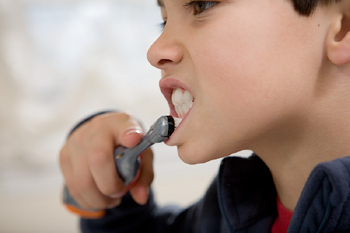
Tooth decay – also called “dental cavities”- affects children in the United States more than any other chronic infectious disease. In fact, tooth decay remains the single most common childhood disease. In some states, such as Ohio, dental disease in children is the number one unmet health care need.
How Can Dental Problems Harm My Child?
Dental problems not only interfere with your child’s ability to eat, they can also harm his/her ability to:
- play
- enjoy life
- learn normally.
Untreated, early dental problems can lead to lifelong oral health concerns. The American Academy of Pediatric Dentistry (AAPD) recommends that all children see a dentist by age 1 year or within 6 months of their first tooth.
What does a Pediatric Dentist Do?
Pediatric dentists devote themselves to the oral health of children from infancy through the teen years by:
- treating decaying teeth
- managing issues with growth and development
- stressing proper oral care and maintenance in order to prevent cavities and other problems
- caring for patients with special healthcare needs, such as the disabled.
Apart from being able to handle the majority of the dental needs of children, a pediatric dentist also needs to know the basics of:
- pediatric medicine
- nutrition
- the emotional and psychological needs of children.
This helps the pediatric dentist establish a “dental home” where the complete oral health needs of your child can be met.
Always remember, continued care by a pediatric dentist can go a long way toward preventing unnecessary dental disease and suffering for your child.
Reference:
Children’s Oral Health (CDC)
For more information:
Go to the Dental and Oral Health (Children) health topic.