Hypothyroidism
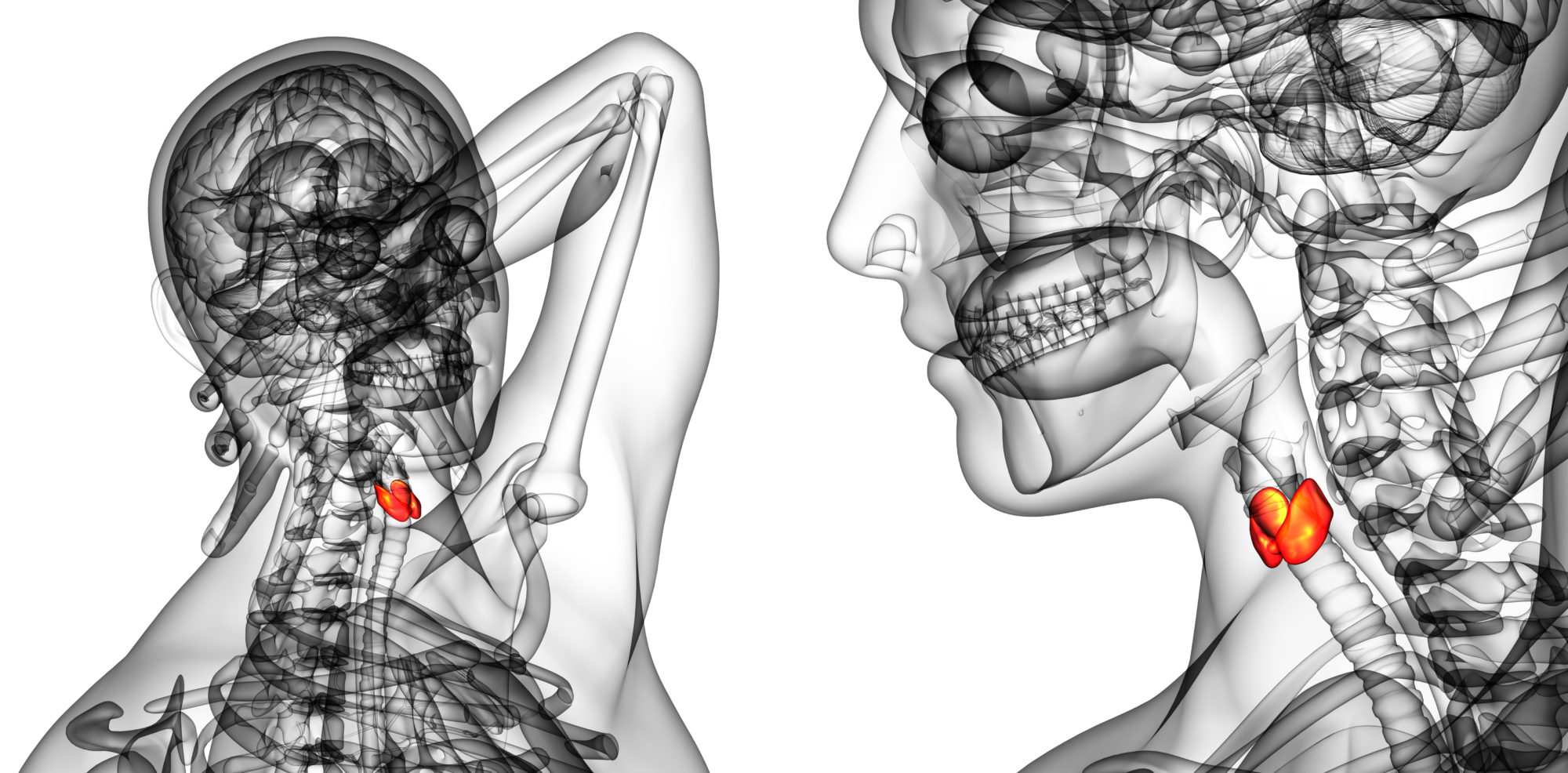
The term hypothyroidism is used when the thyroid gland is diseased and is not making enough thyroid hormone. This means that the body’s cells are not stimulated to be active enough.
Symptoms
The typical symptoms of hypothyroidism include:
However, these are very nonspecific symptoms. Lots of people have one or another of these symptoms with perfectly normal thyroid function.
Causes
Many times people develop an underactive thyroid and we don’t really know the exact cause.
Hashimoto’s Thyroiditis
The most common cause is another autoimmune disease called Hashimoto’s thyroiditis. This is another autoimmune disease in which the body’s own immune system attacks the thyroid gland. This time the attack destroys the thyroid gland, resulting in an inability to make a normal amount of thyroid hormone. Graves’ disease and Hashimoto’s thyroiditis can both be inherited, and in fact they can both be found in the same families – one member has Hashimoto’s thyroiditis and another member has Graves’ disease.
Complications from treatment of hyperthyroidism
A common cause of hypothyroidism is the treatment of an overactive thyroid, either with surgical removal of the thyroid gland or intentional destruction of the thyroid gland with radioactive iodine.
Please use these links to learn more about:
- The thyroid
- Hyperthyroidism
- Diagnosis of Thyroid Conditions
- Treatment of Overactive Thyroid
- Goiters
- Nodules
- Lumps in Neck May Be Sign of Hidden Cancer
For more information:
Go to the –> the previously asked questions
This article is a NetWellness exclusive.
Last Reviewed: Mar 25, 2013