Why Are Whole Grains So Healthy?
Scientists are still uncovering all of the benefits of whole grains. Whole-grain foods keep all parts of the grain. Processed foods keep only the part called the endosperm, which is the flour portion of the grain. That makes whole grain foods better sources of:
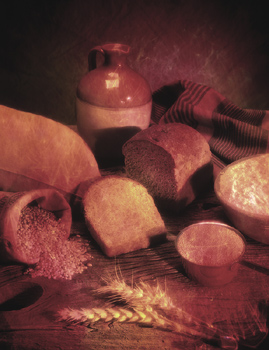
These and other nutrients are lost when the grain is refined for white rice or white flour. Even though some vitamins and minerals are added back to refined grains after they go through the milling process, they still are not as good as the original.
Eating More Whole-Grain Foods
To include more whole-grain foods in your diet:
- Add barley or wild rice to soups, stews, and casseroles.
-
Choose:
- oatmeal or another whole-grain cereal over corn flakes or other low-fiber cereals.
-
whole-wheat or whole-grain breads instead of bread made from refined flour.
- Check the package to make sure the word “whole” is associated with the first item in the ingredient listing.
- popcorn or whole-grain crackers instead of snacks made from refined grains.
- brown rice instead of refined white rice.
- whole-grain pasta instead of regular pasta.
For more ideas, please visit Whole Grains Council.
How to Know If a Product Is “Whole” Grain
Remember that whole grain foods cannot always be identified by color or name, such as multi-grain or wheat. Look for the “whole” grain listed first in the ingredient list on nutrition labels, such as:
- whole wheat
- whole oats
- brown rice.
Get more help deciding whether a product is whole grain at How to Tell If It Is a Whole Grain.
What the Research Says
The benefits of eating more whole grains are becoming clearer as scientists continue to examine the evidence. Researchers analyzed several studies totaling 149,000 participants on the relation between whole grains and heart disease. The findings showed a consistent association between eating at least 2 1/2 servings of whole grains a day and good heart health. The health benefits, researchers found, include a lower rate of:
- insulin resistance
- type 2 diabetes
- hardening of the arteries – also called “atherosclerosis”
- high blood pressure
- inflammation.
In addition, the American Institute of Cancer Research suggests that diets rich in whole grains can reduce the incidence of certain types of cancer. Whole grains contain nutrients and compounds that can protect cells from damage that could lead to cancer. These include:
- fiber
- vitamins
- minerals
- natural plant compounds called “phytochemicals“.
Eating more whole grains, fruits, vegetables, and beans could also reduce the amount of red meat and processed meat in our diet -– foods that are linked to increased cancer risk.
Points to Remember:
- Eating at least 2 ½ servings of whole grains a day can be good for your heart.
- Choose oatmeal or other whole-grain pasta, cereals, and breads instead of refined products.
-
Look for the “whole” grain listed first in the ingredient list on nutrition labels, such as:
- whole wheat
- whole oats
- brown rice.
References:
Identifying Whole Grain Products
Mellen, P B (05/2008. Whole grain intake and cardiovascular disease: a meta-analysis”. Nutrition, metabolism, and cardiovascular diseases (0939-4753), 18 (4), p.283.
This article originally appeared in Chow Line, a service of Ohio State University Extension and the Ohio Agricultural Research and Development Center and was adapted for use on NetWellness with permission.
For more information:
Go to the Diet and Nutrition health topic.